

Quick answer by output
| What you made | Commercial use | What to watch |
|---|---|---|
| Transcript, SRT or VTT | Yes | You still need the rights to the recording you transcribed |
| Audio from a browser voice | Yes, within OpenRAIL-M | Say it is AI-generated; no impersonation, no deception, nothing illegal |
| Audio from a cloud voice | Not licensed by us | For paid work, switch to a browser voice or a licensed service |
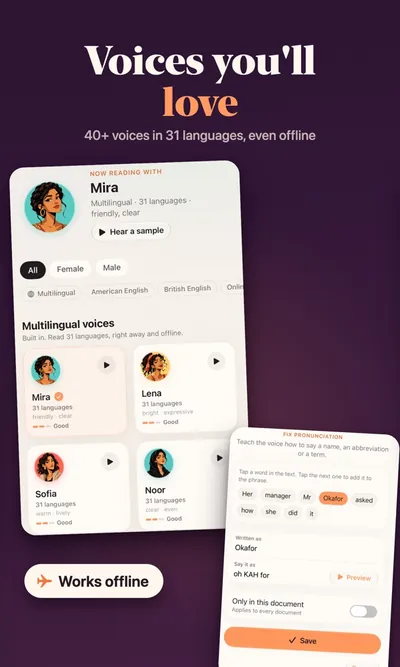
Browser voices are marked in the voice list and cover 31 languages; how they run is explained in browser mode.
What OpenRAIL-M means for you
OpenRAIL-M is an open license with use restrictions. The model’s authors claim no rights in the audio you generate, so you may sell, publish or monetize it. In return, the license lists uses that are not allowed. The ones that matter most for voiceovers:
- say that the audio is machine-generated when you publish it, for example “AI voice” in the description;
- do not pass the voice off as a real person and do not make deepfakes;
- do not use it to spread false information meant to harm, or to defame or harass anyone;
- nothing illegal, and no medical advice.
The full list is in the license, linked in the sources below.
Monetizing on YouTube
YouTube’s monetization policies do not ban synthetic voices as such. They do exclude mass-produced, template-like videos with no original input, reused content, and AI personas giving health, legal or financial advice. What matters is what you add: your script, research and editing. Before you apply, read the YouTube AI voice monetization guide and the text to speech for YouTube workflow.
This is not legal advice
This page states our position, not the law in your country. The binding rules are in our terms of use.